Cyclone damage exposes a truth that is simple to overlook until the wind rises, the power stops working, and the garage door starts bending under pressure: the garage opening is typically among the weakest points in a home. In Queensland, that weakness is not academic. Official preparedness assistance treats garage doors as component of the home envelope that have to be protected before extreme weather, and it especially advises that a stopped working garage door can result in damage in surrounding wall surfaces, ceilings, and roofing cladding.
For homeowners on the Gold Coastline and throughout cyclone-prone parts of Queensland, emergency fixings are not almost getting a door functioning once again. They are about recovering the building's protective covering swiftly sufficient to restrict secondary damages, safeguard the home, and purchase time for an appropriate inspection. The ideal reaction after a storm is seldom an aesthetic solution. It is commercial overhead door installation a practical series of stabilising, assessing, and determining whether the door can be fixed securely or requires replacement.
Why garage doors fail first in severe weather
Garage doors cover a large opening, which implies they capture wind in a way that smaller sized openings do not. That is part of the factor Queensland preparedness material treats them as an unique issue before cyclones and severe storms. If a door is not correctly rated for wind pressure, or if it does not have a suitable supporting system where one is needed, the panel can bow, the tracks can move, or the door can separate at a powerlessness. As soon as that happens, the pressure inside the garage can climb promptly and press stress and anxiety into the rest of the structure.
What makes this even worse is the domino effect that follows. A damaged garage door might still look mostly undamaged from the street, yet the structure can be misshaped, the seals torn, and the tracks curved just sufficient that the door no more shuts effectively. That tiny void is enough to allow in wind-driven rain, particles, and bugs. It also lowers security, which matters when power is out and neighbors may be taking care of the very same tornado impacts.
In practical terms, the initial job after cyclone damages is to exercise whether the door is still part of the building's security, or whether it has become a liability that needs to be made safe immediately.
The first hour after the storm
Once conditions are secure to come close to the building, the garage should have a careful appearance before any person begins pressing remotes or trying to require the door closed. If the opener has actually been struck by power surges, water access, or a binding door, running it too early can make a workable issue much worse. A garage door electric motor that sounds stretched or responds inconsistently ought to be dealt with carefully, not aggressively.
The focus on this stage is not to repair every little thing. It is to quit more activity, protect against injury, and decrease exposure to weather. If the door is hanging off its track, visibly twisted, or partly open and unable to close, requiring it can break components that might or else have actually been salvaged. Furthermore, if the door is obstructed but still under spring stress, trying to muscular tissue it totally free is a bad profession. Springs and cords store considerable force, and a storm-damaged system can behave unpredictably.
A reasonable emergency situation response normally begins with an aesthetic examination from a risk-free setting. Examine whether the door is leaning, whether panels are divided, whether the track is distorted, and whether the seals around the perimeter are torn or missing out on. If water has gotten in the garage, check out the opener real estate and the wall surface area around it. Moisture around electric elements transforms the necessity immediately.
What counts as an emergency situation repair
Not every tornado repair service is the same. Some concerns can await a scheduled service call, but others need immediate focus since they affect security, access, or the safety and security of the home. After cyclone damages, emergency situation repairs generally concentrate on restoring closure, securing the opening, and avoiding additional structural or water damage.
Typical immediate troubles consist of doors that will not shut whatsoever, doors that have actually come partly off the track, damaged or visibly relaxed cables, damaged panels that no more line up, and openers that have stopped working after a rise or swamping around the electric motor housing. The garage door motor itself may be great, yet if the door can not move openly, the motor is not the area to start. The mechanical tons has to be checked first.
There is a beneficial difference right here. A door that is loud, slow-moving, or a little misaligned may need servicing. A door that is noticeably flawed after high wind is an emergency fixing prospect because it might no more meet the wind resistance the home relied upon prior to the storm. Queensland advice on strength makes it clear that compliance and appropriate wind-pressure ranking issue, specifically where cyclone conditions are expected.
Signs that indicate architectural damage, not basic wear
Cyclone damages and everyday wear can look comparable initially glimpse, yet they behave in different ways. Use has a tendency to build slowly. Storm damage often appears suddenly and unevenly.
A garage door that has actually suffered cyclone influence may show several of these indicators:
- Panels that are bent, cracked, or misaligned Tracks that have actually changed far from the wall surface or show fresh distortion Seals that are torn, flattened, or missing sections A door that opens however will certainly not shut evenly A loud grinding or scratching sound that started after the storm
These indicators do not always indicate the whole door is beyond repair, yet they do recommend the issue is greater than a regular change. In Queensland, the risks are high due to the fact that garage door failure can jeopardize other parts of the home. That is why substitute is often one of the most responsible option, especially where the existing door is non-compliant or otherwise properly rated for wind pressure.
The duty of the electric motor when the door has been hit
The garage door motor typically gets blamed initially because it is one of the most noticeable component of the system home owners engage with. After a cyclone, though, the electric motor is often the carrier instead of the reason. If the door has obstructed or the track is bent, the motor may refuse to raise the load or may stop partway through the cycle. That does not always suggest the electric motor has failed. It might merely be responding to resistance.
If the opener is totally unresponsive after a tornado, the issue could be electrical rather than mechanical. Power rises, stumbled protection, or water direct exposure are all feasible. But an electric motor that still runs does not prove the door is risk-free. If it is trying to pull an altered door with damaged tracks, proceeded usage can strip equipments or burn out the unit.
In emergency repair work, experienced specialists generally separate the system right into 2 questions. Initially, is the door itself safe and aligned sufficient to move? Second, is the opener functioning appropriately as soon as the door is mechanically appear? That order issues. It protects against a straightforward storm fixing from becoming a motor substitute job as well.
How to think about short-lived fixes
There is a distinction between making a door safe for the night and pretending it has actually been effectively repaired. After a cyclone, temporary actions can be beneficial when they are utilized with judgment. Their objective is to safeguard the opening up until a full examination or substitute can happen.
A short-term repair could involve securing a loosened door so it does not turn or bind in the breeze, securing the interior from rainfall access, or isolating a failed opener from further use. It might additionally mean using a bracing system where ideal on a door that has actually been subjected to coming close to cyclone problems and is still functional however at risk. Queensland readiness products especially note the worth of proper wind-pressure rating and supporting for garage doors in cyclone-prone settings.
That stated, momentary steps have restrictions. They are not an alternative to recovering structural honesty. If the door has shed its capability to shut firmly, if the framework is misshaped, or if the opening no more seals appropriately, the temporary solution is simply a bridge to the next step. It ought to never ever be dealt with as a last repair.
Replacement versus fixing after cyclone damage
Sometimes the hardest decision is additionally the clearest one. If the door was already old, inadequately fitted, or otherwise compliant with current storm assumptions, cyclone damage may be the event that ideas the balance toward substitute. Queensland Federal government products on house resilience make the instance simply enough: replacing non-compliant garage doors can improve cyclone resilience.
That decision is not just regarding the door fallen leave itself. It has to do with the entire system, including tracks, seals, hardware, and the opener. A new door that is properly ranked for wind pressure can do much more for the home than duplicated patching of a compromised system. It can also decrease the chance of future damage to surrounding wall surfaces, ceilings, and roofing system cladding if one more severe tornado arrives.
Repair is generally the much better option when the door is essentially sound, the damages is limited to a small number of components, and the system can still close securely as soon as repaired. Replacement makes more sense when the structure has actually been curved, when the door no longer meets durability expectations, or when storm impact has revealed a pattern of failure that would likely return under the next severe climate event.
A sensible post-storm examination approach
After the prompt danger has passed and the residential or commercial property is safe to approach, a methodical assessment saves time and minimizes uncertainty. The objective is to determine whether the problem is localized or system-wide. That issues since garage doors are interconnected. A fault in one part can hide damages in another.
A mindful examination typically concentrates on the complying with factors:
The door's positioning, specifically whether it rests square in the opening The condition of tracks, rollers, and installing points The stability of panels, seals, and the bottom edge The action of the garage door electric motor and any type of remote controls The visible problem of springs and cables without attempting dangerous handlingThat last point is worthy of emphasis. Springs and wires need to not be dealt with as laid-back DIY components after tornado damages. If anything looks loose, extended, or harmed, the most safe choice is to quit and set up professional assessment.
Where DIY quits and professional repair work begins
People often ask how to fix a garage door after a cyclone, and the sincere answer is that the safest do it yourself work is restricted. Property owners can look for noticeable damages, eliminate particles from around the opening, and validate whether the door is undoubtedly jammed or misaligned. They can additionally avoid making use of the opener if the door is unsteady, and they can ensure the location stays free from youngsters, pets, and vehicles.
Beyond that, the job gets technological quickly. Readjusting springs, re-tracking a heavy door, or identifying opener failing after water or wind damages is not the kind of job that rewards self-confidence without training. A garage door is heavy, spring-loaded, and ruthless when something slides. After cyclone damage, the risks are greater since the system may currently be deteriorated in places you can not see.
A professional evaluation also brings something property owners generally can not go by the driveway, particularly whether the door still fulfills the wind resistance the home needs. That is a critical point in Queensland, where garage doors are a recognized powerlessness and compliance with pertinent requirements matters to resilience.
Preventive upkeep for garage doors prior to tornado season
The finest emergency repair is the one that never comes to be essential. Preventative maintenance for garage doors does not stop a cyclone, yet it can reduce the opportunity that a storm becomes an architectural failing. This is particularly relevant in Gold Coastline conditions, where severe weather prep work belongs to ordinary seasonal planning as opposed to a once-in-a-decade concern.
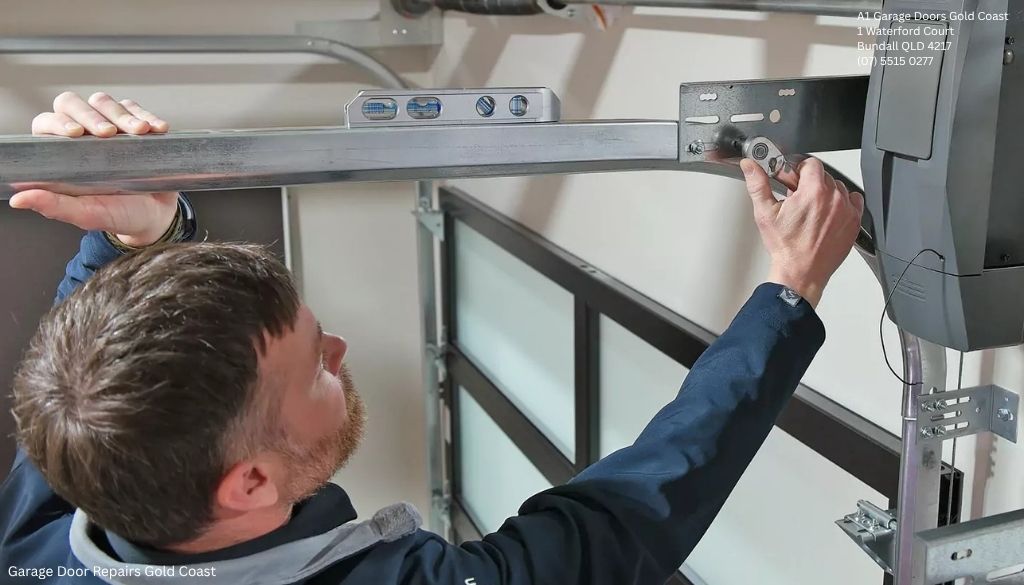
Good upkeep starts with the fundamentals. Inspect the door's seals and frame, look for voids, see to it the opening closes equally, and maintain the tracks clear. If residential garage door services Gold Coast the door has a supporting system, validate that it is still in great condition and fitted properly. If the opener has actually been unstable, do not wait for the very first caution of severe climate before managing it. The exact same chooses any door that has actually begun to bind, drag, or reverse unexpectedly.
There is likewise value in inspecting the wider home envelope. Brisbane City Board and Queensland support both tension the relevance of keeping the home's safety layers prior to tornado season. That is not just about windows and roofs. A garage door that fails can undo the remainder of the prep work very quickly.
Security issues after a cyclone too
Storm damages is not only a weather issue. It is also a protection issue. An endangered garage opening can welcome opportunistic gain access to, and Queensland protection style assistance has actually long identified the value of safe garage door systems, consisting of padlockable securing systems and anti-tamper features in some applications. For property owners, the lesson is straightforward: if the door is harmed, the home is much less safe and secure till the opening is properly restored.
That is one more reason emergency fixings need to not be dragged out. If a door will not shut, if the securing mechanism is harmed, or if the opener can not be trusted, the site needs a prompt strategy. Often that suggests a same-day repair work. In some cases it means temporary safeguarding adhered to by rapid replacement. Regardless, the purpose is to restore closure and control of the opening as quickly as conditions allow.
What a reasonable storm-ready strategy looks like
The most effective home owners often tend to think about garage doors the method they consider smoke alarms or roofing system maintenance, as component of your home's resilience rather than a different ease feature. The strategy is usually straightforward, yet it functions since it is consistent. Prior to storm period, check the door, test the opener, check seals and structures, and confirm whether the door is properly ranked and fitted. When an extreme weather condition caution shows up, secure the opening, eliminate loosened items close by, and prevent last-minute improvisation. After the tornado, analyze the door prior to utilizing it and call for aid if it is curved, off-track, or otherwise closing correctly.
That rhythm matters since cyclone damage does not compensate reluctance. A garage door that is overlooked for a couple of days can end up being a water access problem, a security problem, and an architectural danger all at once. The homes that recover fastest are the ones where the opening was dealt with as part of the building's defensive system from the beginning.
A garage door does not need to be undestroyable to perform well in severe weather, yet it does need to be correctly chosen, kept, and repaired with the fact of Queensland tornados in mind. When damage does occur, the most effective emergency situation feedback is gauged, practical, and sincere about the limits of a spot work. Often the door can be restored with targeted repairs. In some cases it can not. What issues is making that telephone call early, before a weak point becomes a larger failure.