A garage door usually gets attention only when it stops moving, starts grinding, or leaves the car trapped inside. Until then, it tends to disappear into the background of daily life. That is part of the problem. A garage door is one of the largest moving parts in a home, and it relies on several components working together in balance. When one part wears down, the strain often spreads to the next part, then the next.
Regular annual servicing helps catch those small changes before they turn into a door that refuses to open on a wet morning or a motor that gives up after months of overwork. In places where salt air, humidity, and heat are part of the local climate, that yearly check matters even more. Those conditions can affect hardware over time, and a door that looked fine six months ago can start showing subtle signs of wear that are easy to miss if nobody is looking closely.
For homeowners trying to fix garage door issues after they appear, the temptation is often to focus on the symptom. The remote is inconsistent, so the remote must be the whole problem. The door is noisy, so perhaps it only needs a quick adjustment. Sometimes that is true. Often it is not. The more useful question is what has changed in the system as a whole.
Why annual servicing is more than a tune-up
The phrase "annual service" can sound like a routine box to tick, the same way people think about cleaning gutters or testing smoke alarms. With a garage door, it is more practical than that. A good service visit is an inspection, a maintenance check, and an early warning system.
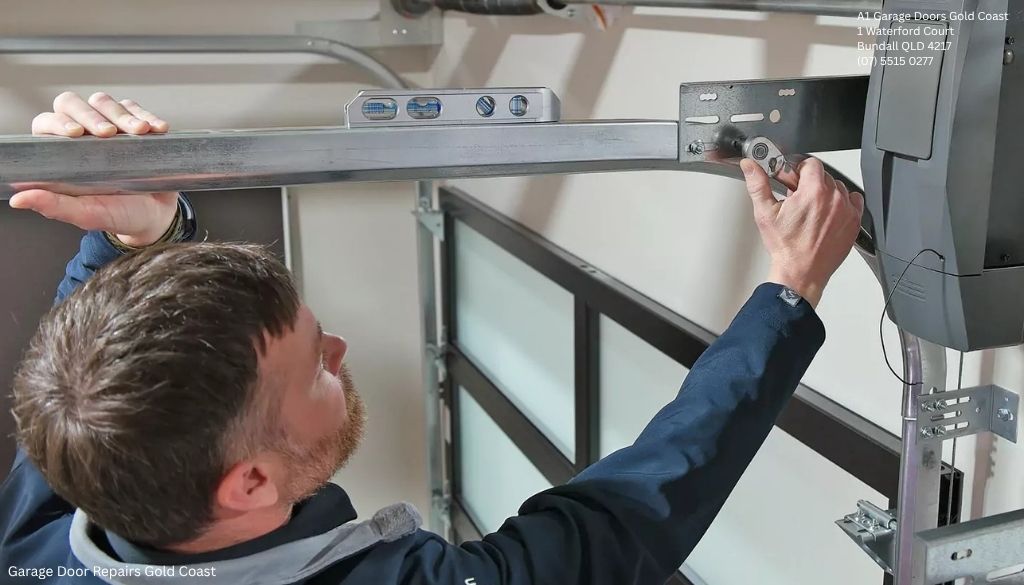
Garage door service in the Gold Coast area commonly includes repairs, servicing, installation work, and replacement of parts such as motors, remotes, and springs. That range of work reflects a simple reality. Garage doors do not usually fail in just one way. A worn spring can affect balance. A tired motor can struggle with a door that no longer moves smoothly. A remote issue can mask a larger automation problem. If the door is out of line, what looks like a motor fault may really be a garage door alignment issue.
One Gold Coast business recommends professional servicing every 12 months to help prevent breakdowns and extend the life of both the door and the motor. That advice lines up with what tradespeople see in the field. Doors that receive regular maintenance tend to show problems earlier, when the repair is smaller and the part replacement is more straightforward. Doors that are ignored for years often present as a cascade of issues: poor movement, uneven wear, extra load on the opener, and eventually a complete stop.
There is also a cost judgment here. Servicing is not only about avoiding emergencies. It is about protecting the more expensive parts of the system from avoidable stress. A door that moves poorly asks more from the opener every day. A small misalignment left alone can become a larger repair later. Annual servicing is often less about doing dramatic work and more about preserving what already works.
The quiet warning signs homeowners tend to miss
Most garage door trouble does not arrive all at once. It creeps in. The door hesitates for a second before moving. It sounds rougher on some days than others. It closes, but not with the same smooth travel it had a year ago. These changes are easy to rationalize because the door still functions, at least most of the time.
A common call starts with a complaint that the garage door is not closing properly. Homeowners may describe it as stopping short, moving unevenly, or behaving inconsistently. What matters is that "not closing properly" is a symptom, not a diagnosis. The issue might involve the opener, the door’s balance, worn hardware, or alignment that has shifted enough to affect movement.
Another familiar pattern is the slow build toward garage door opener repair. The opener is often blamed first because it is the visible powered part of the system. In practice, an opener can be working harder than it should because the door itself is no longer moving as freely as it was designed to. If annual servicing picks up that extra resistance early, the opener may be spared unnecessary strain.
Homeowners also tend to ignore changes that seem cosmetic. A door that sits slightly unevenly can still open and close for a while. A remote that works from shorter range may be treated as a nuisance instead of a maintenance clue. Those details are worth checking because they can reveal broader wear in the system or signal that a component is nearing replacement.
Climate adds pressure, especially near the coast
Local conditions shape maintenance needs more than many people realize. In the Gold Coast region, service providers note that salt air, humidity, and heat can affect garage door hardware and may increase maintenance needs. That matters because hardware does not wear in a vacuum. Environmental exposure can speed up corrosion, affect moving parts, and generally shorten the gap between "works fine" and "needs attention."
Salt air is especially unforgiving on exposed metal parts over time. Humidity does not help. Add regular heat, and a system that opens and closes daily is under steady environmental pressure even before normal wear is considered. This does not mean every garage door in a coastal area is destined for constant repair. It does mean that waiting until the door fails is not a sensible maintenance strategy.
Annual servicing is where climate becomes a practical issue rather than an abstract one. A trained technician can look for the small signs of weather-related deterioration and recommend action before a component reaches the point of failure. That is often the difference between a controlled service call and an urgent breakdown.
Springs deserve respect, not guesswork
If there is one part of a garage door system that should never invite casual DIY confidence, it is the spring assembly. Springs are under high tension, and safety guidance is very clear that adjusting or repairing them without proper training and tools is dangerous.
That warning is not theoretical. A garage door spring stores substantial force, and the risk rises quickly when someone tries to release, reset, or replace it without understanding the mechanism. Many homeowners only learn this after a spring breaks and the door suddenly feels much heavier or stops moving correctly. At that point, the urge to "just get it working again" can be strong. It is still the wrong time to improvise.
There is another practical issue with springs that often surprises people. When one spring fails, both springs may need replacement because they typically wear in a similar way over time. Using mismatched springs can create balance problems. That is the sort of judgment call that annual servicing can help anticipate. A technician may spot wear before a spring breaks outright, which opens the door to planned replacement instead of emergency repair.
This is one of the clearest examples of why preventive maintenance matters. It is not simply about convenience. It is about safety, proper balance, and protecting the rest of the system from the effects of one failing part.
What a yearly service visit can uncover
A professional service is useful because it looks at the garage door as a system rather than as a single complaint. The best visits often identify a developing issue the homeowner had not noticed yet.
A service check may involve attention to areas such as:
Door movement and balance, including signs that suggest a garage door alignment problem Spring condition, especially where wear may point toward future failure Motor and automation performance, which can reveal the need for garage door opener repair or replacement Remotes and related control components, where inconsistency may signal more than a dead battery General wear on parts affected by salt air, humidity, and heatNone of that requires drama. In fact, the most valuable service calls are usually uneventful. The door is inspected, a few minor issues are corrected, and the homeowner avoids the kind of breakdown that tends to happen at the worst possible time.
When opener trouble is really door trouble
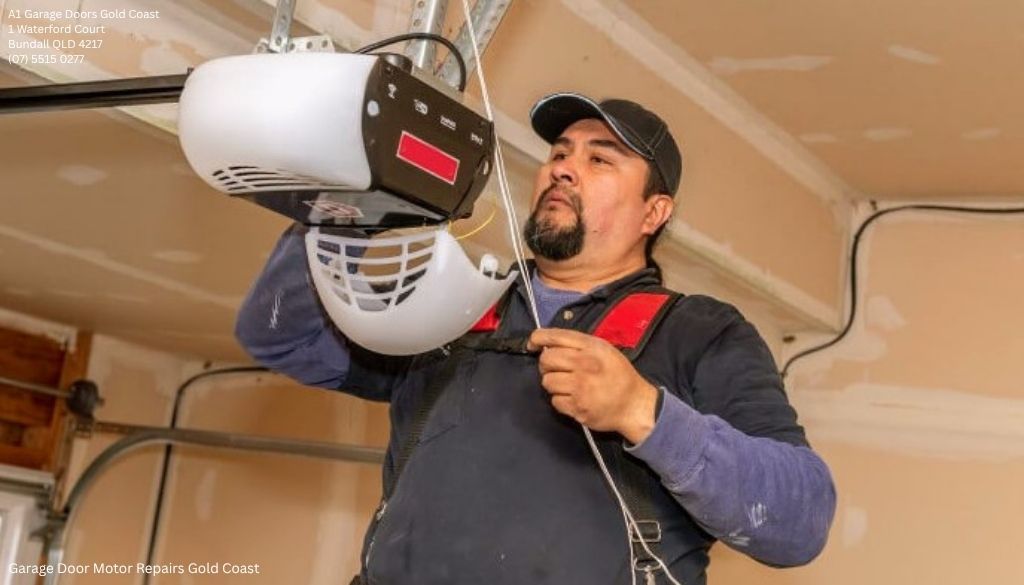
The opener gets a lot of blame because it is easy to identify. It has a motor, it makes noise, and it is the part people interact with most directly through remotes or wall controls. Gold Coast providers commonly offer motor replacement or installation services, including automation upgrades for existing garage doors, which shows how central the opener has become in modern use.
Still, not every opener problem starts in the opener itself. A strained motor may be reacting to a door that is no longer properly balanced or aligned. An automated system can only compensate so much for a door that has become harder to move. If that extra strain continues long enough, the motor may wear out sooner than it should.
This is where homeowners benefit from resisting a narrow fix. If the immediate issue looks like garage door opener repair, a full service check can help confirm whether the opener is the real source of the fault or simply the component showing the first obvious signs of trouble. Replacing a motor without addressing the resistance elsewhere in the system can solve the symptom but leave the cause in place.
There are also times when replacement makes more sense than repeated repair, especially if automation upgrades are already under consideration. The right choice depends on the age and condition of the existing setup, but that decision is better made during a calm service discussion than in the middle of an urgent failure.
Misalignment is often subtle until it is not
Garage door alignment problems are not always dramatic at first. The door may still travel, just not as smoothly or evenly as before. To an untrained eye, that can look like a harmless quirk. In real use, poor alignment can affect how the door closes, how much effort the opener must apply, and how garage door maintenance services quickly related components wear.
This is one reason homeowners often report that the garage door is not closing properly without being able to explain exactly what they mean. The close cycle may look mostly normal, but the door might hesitate, bind slightly, or fail to seat as cleanly as it should. Those are the kinds of details that annual servicing is designed to catch.
Misalignment also tends to create secondary problems. The longer the door runs under less-than-ideal conditions, the greater the chance that other parts begin compensating for the issue. That can increase wear in ways the homeowner never sees directly. By the time the problem becomes obvious, more than one repair may be needed.
A yearly service does not prevent every alignment issue, but it reduces the chance that a minor shift turns into a bigger failure. That is often the difference between a modest fix and a door that stops working altogether.
The real value of servicing before there is a problem
People tend to spend money more comfortably on repairs than on prevention because the repair has a visible reason. The door is stuck. The spring is broken. The opener no longer responds. Servicing feels less urgent because it deals in possibilities rather than immediate failures.
Yet the practical value is hard to ignore. A yearly inspection can extend the working life of the door and motor, reduce the chance of surprise breakdowns, and catch dangerous issues before someone tries to handle them alone. It can also help homeowners budget better. Planned maintenance and planned replacement are generally easier to manage than emergency calls and rushed decisions.
There is an experience factor here that matters. A seasoned technician will often notice patterns a homeowner cannot. They know what normal wear looks like, what local climate tends to accelerate, and when a component is approaching the point where repair becomes less sensible than replacement. That judgment is not easily replaced by a quick online search or a visual once-over in the driveway.
What homeowners can reasonably do between service visits
Annual servicing does not mean homeowners should ignore the door the rest of the year. It simply means that inspection, adjustment, and repair work, especially around high-tension parts, should be handled with proper training and equipment.
Between visits, the sensible approach is observation. Pay attention to changes in sound, movement, and response. If the remote becomes inconsistent, if the door starts moving unevenly, or if the close cycle looks different from usual, treat that as useful information rather than background noise. Those early changes often tell the story before a full failure occurs.
A practical watch-list looks like this:
New grinding, straining, or jerky movement A garage door not closing properly or closing unevenly Signs that point to worsening garage door alignment Opener behavior that suggests the need for garage door opener repair Any spring-related issue, which should be treated as professional workThat last point deserves repeating. Homeowners can observe spring trouble. They should not attempt to repair it themselves.
A yearly habit that saves trouble later
The strongest case for annual garage door servicing is not that every door is on the verge of failure. Most are not. The case is that garage doors wear gradually, local conditions can speed that wear, and several common faults are easier, safer, and often cheaper to deal with early.
In the Gold Coast area, where service providers regularly deal with repairs, installations, motor work, remotes, and spring replacement, the pattern is familiar. Doors that are maintained tend to stay dependable longer. Doors that are ignored tend to present with layered issues, some inconvenient, some expensive, and some unsafe.
If you need to fix garage door problems after they show up, regular annual servicing is still relevant because it helps prevent the next round of trouble. If the door seems fine today, annual servicing is even more valuable because that is when small defects are easiest to manage. A garage door does not have to fail completely to justify attention. By the time it does, the repair is rarely simpler than it would have been a year earlier.