A garage door opener usually gets noticed only when it stops doing its job. The motor hesitates, the remote works only if you stand in one exact spot, or the door starts moving and then changes its mind. For most households, that quickly turns into a practical problem, not a minor annoyance. The car is stuck, the house is left unsecured, or the door keeps cycling at the worst possible time.
Garage door opener repair sits at the intersection of mechanics, electrical components, and safety systems. That is why the right fix is rarely just about swapping a battery or pressing a reset button and hoping for the best. Sometimes the issue is in the opener itself. Sometimes the motor is doing exactly what it is supposed to do, but the door has fallen out of balance, the track is under stress, or the hardware has started to degrade. A remote that seems faulty may only be exposing a larger problem in the system.
In day-to-day service work, the pattern is familiar. A homeowner calls because the garage door not closing properly has become impossible to ignore. They are convinced the remote is dead or the opener motor has failed. After inspection, the real problem may turn out to be a worn component elsewhere, poor garage door alignment, or a spring issue that is affecting the entire operation. Other times, it is the opposite. The door itself is in decent shape, but the motor is tired, inconsistent, or no longer suited to the load it is trying to move.
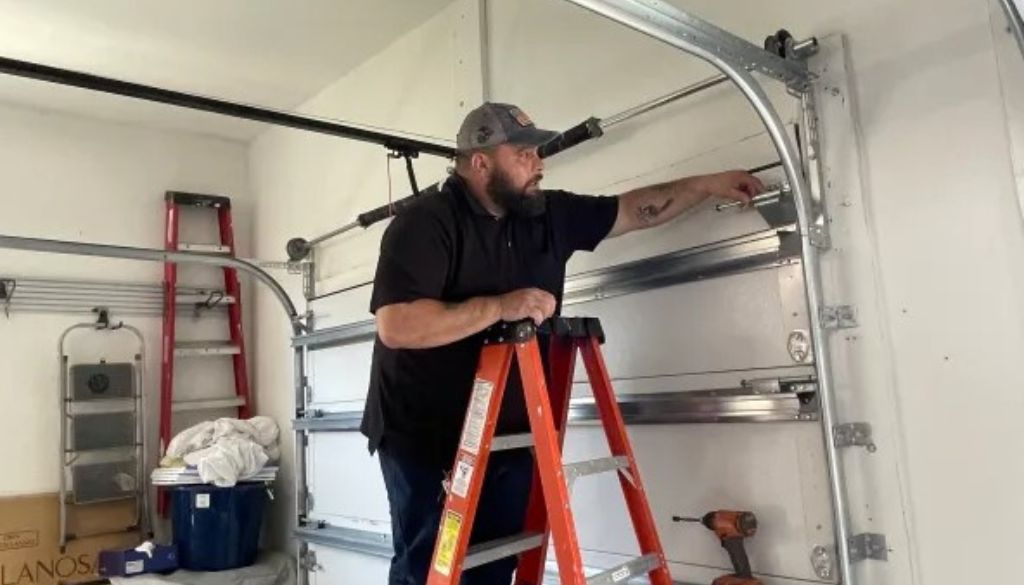
Understanding that distinction matters, because it changes both the repair approach and the level of risk involved.
When the opener is really the problem
An opener system has a straightforward job. It sends power to the motor, responds to remote commands, and coordinates the opening and closing cycle. When any part of that chain becomes unreliable, the symptoms can look dramatic even if the underlying fault is fairly contained.
A motor that strains, stops midway, or behaves inconsistently can point to wear inside the opener assembly. In some cases, service is enough. In others, motor replacement becomes the smarter choice, especially when repeated problems start costing more in callouts and downtime than a direct upgrade would. That is one reason many service providers offer both repair and replacement for motors, along with automation upgrades for existing garage doors.
Remotes create a different kind of frustration because the failure can feel random. One day the button works from the driveway, the next day you are pressing it from two metres away with no response. Sometimes the remote itself needs attention. Sometimes the receiver, motor unit, or programming is the real weak point. Good diagnosis matters here, because replacing remotes without checking the rest of the system can waste both time and money.
There is also the issue of partial failure. An opener may still work, but only under ideal conditions. It may open the door but struggle to close it. It may respond to one remote and not another. It may cycle unevenly when the weather is hot or humid. Those are often the jobs that homeowners put off, because the system is not fully dead. In practice, partial failure is exactly when repair work is most useful. It gives you a chance to address the problem before the opener stops altogether or starts damaging other parts of the door system.
Why “garage door not closing properly” is not just an opener complaint
One of the most common service calls starts with a simple statement: the garage door not closing properly. That phrase covers a lot of ground. It can mean the door reverses before it reaches the floor. It can mean it closes unevenly. It can mean it stalls, shudders, or lands with an obvious gap.
The temptation is to focus only on the opener because that is the visible control point. You press the remote, nothing happens correctly, so the opener must be at fault. That assumption is understandable, but not always right.
A garage door system works as a whole. If the door is out of alignment, if the moving hardware is under unusual strain, or if a spring has failed, the opener may not be the root problem at all. It may simply be reacting to resistance or imbalance. In that situation, trying to force a motor repair alone will not truly fix garage door performance. At best, it masks the symptom. At worst, it adds wear to the opener and turns one issue into several.
This is where experience shows. The right technician does not start with a part and work backwards. They start with the behaviour of the entire system. They watch the travel, listen for strain, and check whether the opener is being asked to compensate for another fault. That approach saves guesswork.
The door and the opener are partners
A healthy opener depends on a healthy door. That sounds obvious, but it gets missed all the time. If the door is not moving freely, the motor has to work harder. If the structure is not balanced, the opener becomes the unwilling substitute for proper mechanical support.
Garage door alignment plays a bigger role than most people expect. Misalignment does not have to be dramatic to affect the opener. A slight shift can change how the door travels and how much resistance the motor encounters. Over time, that extra stress can shorten the life of the opener and create a pattern of intermittent failures that seem electrical but are actually mechanical in origin.
This is one reason a good repair visit often extends beyond the motor or remote that prompted the call. The visible complaint might be “my remote stopped working” or “the opener clicks but the door will not move,” yet the real value is in confirming whether the rest of the system is helping or fighting the opener.
A homeowner who wants to fix garage door issues quickly often hopes for a single simple cause. Sometimes that happens. Many times, the better answer is a layered one. The remote may need service, the opener may need adjustment or replacement, and the door may need alignment work so the whole system can operate without strain.
Springs change everything, and they are not a DIY repair
Any honest discussion of garage door opener repair has to address springs. Not because every opener problem is a spring problem, but because spring condition directly affects how the opener performs and whether a door can be operated safely.
Garage door springs are under high tension. That is not a casual warning. Safety guidance is clear that adjusting or repairing them without the right training and tools is dangerous. This is the point where even confident do-it-yourself homeowners should stop and reassess. There are plenty of household repairs that reward patience and care. Spring work is not in that category.
When a spring breaks, the opener may suddenly appear to be the failure point because the motor can no longer move the door as expected. A remote command still reaches the unit, the opener may try to engage, and yet the door behaves abnormally or does not move properly. Without understanding the mechanical side, it is easy to misdiagnose that as a dead motor.
There is another practical detail worth knowing. When one spring breaks, both springs may need replacement because they usually wear at a similar rate. Mismatched springs can create balance problems. That matters to the opener because balance affects load, movement, and overall reliability.
This is one of those situations where the cheapest immediate fix is not always the soundest repair. Replacing only the visibly failed spring can leave the system uneven and set up a return visit sooner than anyone wants.
What local conditions do to motors, remotes, and hardware
In coastal and humid areas, garage door systems often age differently than people expect. Gold Coast service providers regularly point to salt air, humidity, and heat as factors that can affect garage-door hardware and increase maintenance needs. That local reality matters whether you are dealing with an older opener or a relatively recent installation.
Salt air does not announce itself with one dramatic failure. More often, it contributes to gradual deterioration. Humidity and heat can also complicate performance over time. A system that works fine in mild conditions may become less consistent as exposure builds and components age.
This is another reason broad inspection matters. If you focus only on the remote because it is the part in your hand, you may miss the fact that the motor housing, hardware, or other components have been living in harsh conditions for years. In those environments, garage door opener repair is often about preserving the whole system, not just getting the button to work again today.
I have seen the difference regular servicing makes in coastal settings. Not because it guarantees a system will never fail, but because it catches wear before it turns into a seized mechanism, a motor under strain, or a door that starts tracking poorly. Preventive attention is rarely glamorous. It is simply cheaper and calmer than dealing with a full breakdown when you are already late for work.
Signs that point toward service rather than guesswork
There are a few recurring patterns that justify a proper service call instead of another round of trial and error at home.
- The remote works inconsistently, or only at very close range The opener motor runs, but the door does not travel normally The garage door not closing properly has become a repeated problem The door appears uneven, noisy, or under strain during movement The system has not been professionally serviced in around 12 months or more
None of those signs prove one specific fault. What they do indicate is that the system deserves a full look. When problems become repeated rather than isolated, the odds of a larger underlying issue go up.
The twelve-month mark is especially useful as a practical benchmark. At least one Gold Coast garage-door business recommends professional servicing every 12 months to help prevent breakdowns and extend the life of the door and motor. That advice makes sense in real use. A yearly inspection gives enough frequency to catch developing wear without becoming excessive.
Repair, replacement, or upgrade
Not every opener should be repaired indefinitely. There is a point where repeated service becomes a poor investment, especially if the motor is unreliable and the rest of the door system still has useful life. In those cases, motor replacement or an automation upgrade for an existing garage door can be a cleaner path.
The trade-off is straightforward. Repair is often the right first step when a specific fault can be identified and corrected without chasing secondary issues. Replacement makes more sense when the opener has become the weak link and confidence in it is gone.
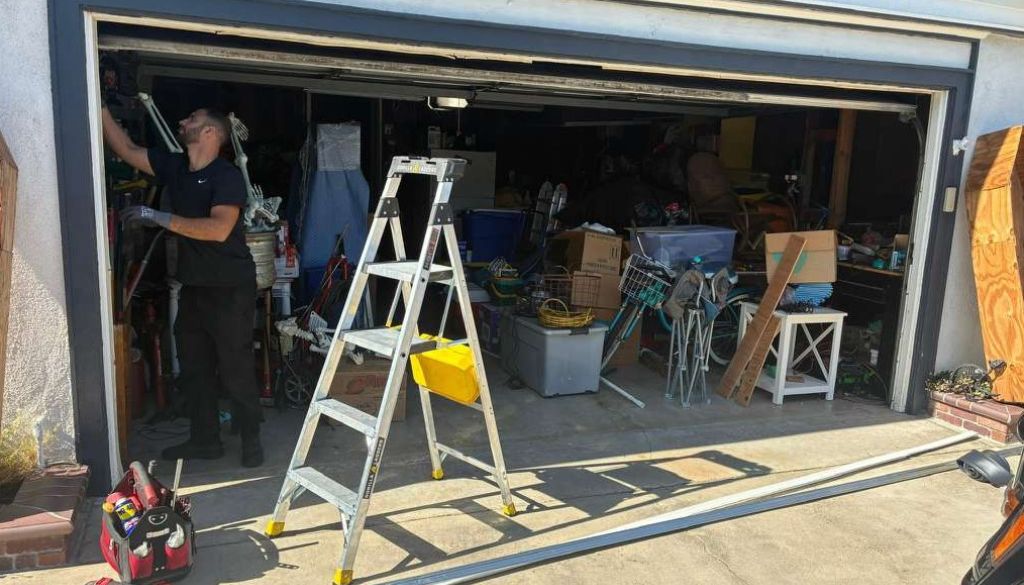
That decision should not be rushed, but it should be realistic. A system that has one clear service issue is different from a system that has become a patchwork of workarounds. Homeowners often know the difference from lived experience. If you are already keeping a mental list of quirks, timing the button press just right, or avoiding the door because it feels temperamental, that is usually a sign that the opener system has moved beyond a minor nuisance.
A well-judged replacement can also solve compatibility and convenience issues at the same time. Since many providers offer automation upgrades for existing doors, homeowners are not always limited to keeping an outdated operating setup just because the door panel itself is still usable.
The jobs that should stay with a professional
There is always a gray area in home maintenance. Some checks are reasonable for a homeowner to make. Others should be handed off immediately. With garage door opener repair, the dividing line comes down to risk, diagnosis quality, and the need for proper tools.
A careful owner can notice symptoms, keep the area clear, and stop using a door that is behaving dangerously. A professional should handle anything involving springs, major motor issues, alignment correction, or component replacement where door balance and safe operation are in question.
That is not just a legal or liability reflex. It is common sense. When a door system has enough force to injure someone, good intentions are not enough. The fact that spring replacement is a standard repair offering tells you something important. It is routine for trained technicians precisely because it is not routine for everyone else.
If the goal is to fix garage door problems properly, safety has to be part of the definition of “fixed.”
What a thorough service visit should accomplish
A useful service call does more than restore movement for the moment. It should answer the practical questions a homeowner actually has. Is the motor the issue, or is the opener compensating for a door problem? Is the remote genuinely faulty? Is the door balanced and aligned well enough for the opener to operate without stress? Is a repair likely to hold, or are you buying a little time before replacement becomes unavoidable?
The https://goldcoastgaragedoorrepair.com.au/southport-qld/ best visits are not mysterious. You should come away understanding what failed, what was adjusted, and what still deserves attention. In my experience, homeowners are less frustrated by repair costs than by uncertainty. People can accept that machines wear out. What they hate is feeling that each visit reveals a different story.
That is why diagnosis matters so much in opener work. A garage door can hide its real problem behind a misleading symptom. A dead-looking motor may be reacting to spring failure. A stubborn remote may only be the surface issue in a larger pattern of opener wear. A door that refuses to close may be exposing alignment trouble rather than a defective command signal.
A sensible maintenance rhythm
If there is one habit that consistently reduces emergency opener failures, it is regular servicing. Not obsessive attention, just consistent inspection and adjustment before obvious breakdown sets in.
A sensible rhythm often looks like this:
- Arrange professional servicing about every 12 months Treat changes in sound or movement as early warnings, not background noise Stop using the door if it appears badly out of balance or under unusual strain Address spring concerns promptly and professionally Consider motor replacement when repair stops being cost-effective or reliable
That kind of routine is especially valuable in places where salt air, humidity, and heat put extra stress on hardware. Local conditions do not guarantee failure, but they do shorten the distance between “still working” and “suddenly not working.”
Regular service also helps separate minor issues from urgent ones. A remote problem may stay a remote problem if dealt with early. Ignore it long enough, and it may turn out to have been the first sign of a wider opener or hardware issue.
The real goal is dependable operation
Most people do not care about the inner workings of their garage door opener until reliability slips. That is fair. A garage door is supposed to open, close, and secure the space without drama. When it stops doing that, the repair conversation should focus on dependable operation, not just temporary movement.
That means looking at motors and remotes in context. It means recognizing that garage door opener repair sometimes overlaps with garage door alignment, spring condition, and the broader health of the door system. It means understanding why the garage door not closing properly is often a symptom rather than a complete diagnosis. And it means knowing when a straightforward repair is enough, and when a replacement or upgrade is the more practical choice.
The good news is that these systems are serviceable. Providers commonly handle repairs, servicing, installations, and replacement of motors, remotes, and springs. The path forward is usually available once the actual fault is identified. What matters is resisting the urge to guess, especially when safety-critical parts are involved.
A garage door opener should not need daily negotiation. If it does, that is the signal. Get the system assessed properly, deal with the real cause, and bring the door back to the kind of dependable operation that lets you forget it is there. That is usually the best outcome any repair can deliver.