Storm preparation has a way of exposing the parts of a home that people usually ignore. Gutters get cleaned, outdoor furniture gets https://goldcoastgaragedoorrepair.com.au/southport-qld/ tied down, and cars get moved under cover. Then there is the garage, often treated as a simple storage zone until bad weather turns it into a weak point.
That is a mistake, especially in places that face severe storms and cyclones. In Queensland, official guidance makes it clear that homeowners should prepare before storm season and only go outside once authorities say it is safe. That timing matters. A garage door problem discovered in the middle of a weather event is rarely a small inconvenience. If the door is vulnerable, wind can get into the house and increase damage to roofs and walls. At that point, the issue is no longer just about access to the garage or whether the remote still works. It becomes part of the structure’s overall resilience.
The conversation often starts with garage door openers because they are the visible, familiar part people use every day. Press the remote, the door moves, and that feels like the whole system. It is not. The opener is only one component in a chain that includes the door itself, the frame, the panels, garage door resource the garage door tracks, the hinges, the weather seals, and the lift system, including garage door springs. Storm preparation works best when you treat the whole assembly as one system rather than a collection of unrelated parts.
Why the garage door deserves more attention than it gets
A front window that rattles during high wind gets immediate attention. A garage door often does not, even though it covers a large opening and may be attached directly to the house. Queensland guidance specifically highlights garage doors in cyclone preparation, noting that a garage door should comply with AS/NZS 4505 and be correctly rated for wind pressure, or have a bracing system that can be installed before a cyclone. That tells you something important straight away. Storm readiness is not only about maintenance. It is also about whether the door was the right product in the first place.
I have seen homeowners focus heavily on opener convenience, quieter operation, stronger lights, smoother remotes, smartphone features in some cases, while skipping the more basic question: is the actual door suited to local weather exposure? It is understandable. Convenience is tangible every day. Wind rating only matters when it matters a lot.
That is also why garage door replacement sometimes belongs in a storm preparation plan. Queensland housing resilience guidance specifically points to replacing existing garage doors and frames with wind rated versions, and identifies non compliant garage doors as a practical target when improving cyclone resilience. For some homes, no amount of tinkering with an older setup makes it suitable. The most responsible answer is not repair, but replacement.
Start with the door, not the button on the remote
A garage door opener can only operate the door it is attached to. If the door itself is deteriorated, loose in the frame, or not appropriate for the property’s wind exposure, a well functioning opener does not solve much.
When I walk through a storm preparation discussion with a homeowner, I usually ask them to stand inside the garage with the door closed and simply look at it for a full minute. Not use it, not test the remote, just look. Gaps of light at the edges, visible movement in the panels, worn bottom seals, rusting hardware, bent sections, and frame wear all stand out when you stop rushing. In an attached garage, that inspection also tells you whether draughts are entering under or around the door. Australian energy guidance notes that draught stoppers at the base of doors can help reduce heat loss, which makes the bottom seal worth checking even outside storm season. A door that leaks air in ordinary weather may also be telling you something about how well it closes and seats.
None of that means every minor gap is a cyclone risk on its own. It does mean storm prep should begin with the opening itself. If you suspect the door or frame is not compliant, not properly rated, or no longer sound, that is the point to speak with a qualified contractor.
What the opener can and cannot do for you
Garage door openers matter in storm preparation for practical reasons. They control access, they determine whether the door opens and closes smoothly, and they are part of how quickly you can secure the garage before weather arrives. They also create a common blind spot. People assume that if the opener still runs, the system is healthy.
The opener’s job is to move the door. It does not compensate for a compromised frame, an unsuitable door, or damaged components elsewhere in the system. A strained opener may actually be one of the earliest signs that something else is wrong. Homeowners sometimes describe this as the motor sounding louder, the door hesitating, or the movement looking uneven. Those are useful observations, but they are not a diagnosis. The smart response is not to keep cycling the door and hope it clears up. It is to stop and have the system assessed.
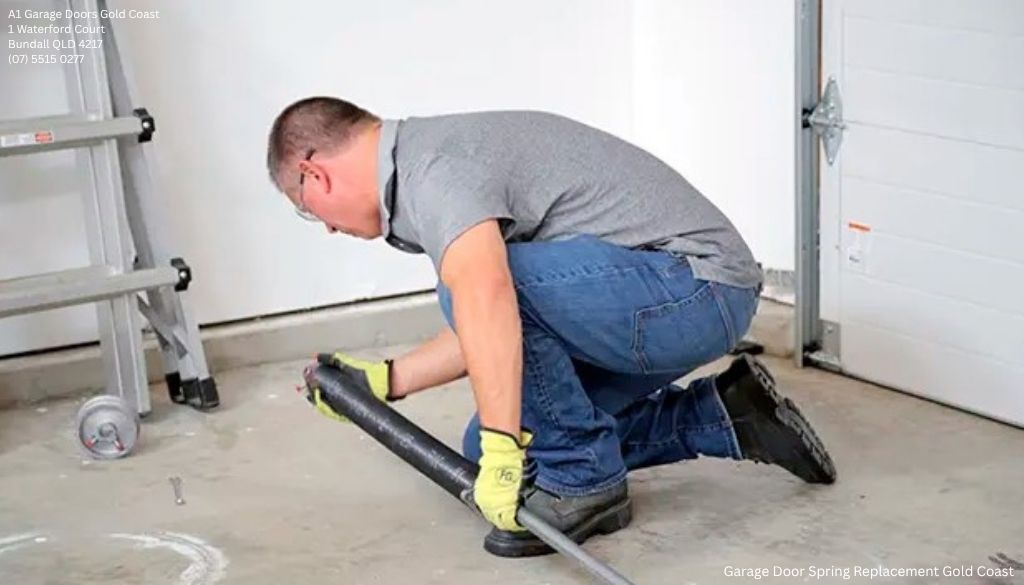
This is especially important when garage door springs or garage door tracks are involved. Those parts are essential to how the door moves and stays aligned. If there is obvious wear, distortion, or irregular movement, that is not a casual do it yourself item in a storm prep weekend. Queensland resilience guidance encourages safe work practices and using qualified contractors for vulnerable parts of the home. A garage door is a large moving barrier with stored tension in the lifting system. Good judgment matters here.
The checks worth doing before storm season
The most effective garage inspection is not long or complicated, but it does need to be deliberate. Storm preparation works best before weather warnings begin, when you still have time to book repairs, order parts, or consider garage door replacement if that turns out to be necessary.
Here is a practical five point check that keeps the focus where it belongs:
Confirm whether the garage door is wind rated or has a bracing system suitable for cyclone preparation. Look over the door and frame for visible damage, wear, gaps, or signs that the assembly no longer closes firmly. Run the door through a normal open and close cycle and pay attention to unusual noise, hesitation, or uneven movement. Inspect the garage door tracks and surrounding hardware for obvious misalignment, corrosion, or looseness. If anything appears doubtful, arrange a qualified contractor rather than waiting for a storm warning.That list is intentionally plain. It avoids amateur diagnosis and pushes the decision point early. If the door needs work, it is far easier to address it in calm conditions than when every local contractor is already booked.
Garage door springs and tracks, where small issues become expensive ones
A lot of storm related garage door trouble starts before the storm. It begins with deferred maintenance. A door that has been jerky for months, a track that has taken a light impact from a bin or bumper, a spring system that has been under strain, these things often sit in the background because the door still more or less works.
That phrase, more or less works, is usually where the cost hides.
Garage door springs do the heavy balancing work in the system. Garage door tracks guide the door’s path and help it move correctly. If the system is out of balance or out of line, the opener has to work harder, and the whole assembly may close poorly or move unpredictably. During normal weather, that might be an annoyance. During severe weather preparation, it can prevent you from securing the space promptly. If you cannot get the door fully closed and seated when a storm is coming, you have lost valuable time and created an opening where you least want one.
I once watched a homeowner spend nearly half an hour trying to get a sticking garage door down while the rest of the property was still unsecured. The opener was blamed first. The actual problem was obvious once the door was observed in motion, it was not tracking cleanly. That kind of delay is exactly what storm prep should avoid.
The useful rule here is simple. If the movement is rough, noisy, skewed, or inconsistent, do not reduce the issue to the opener alone. The opener may be the messenger, not the cause.
When repair is sensible, and when garage door replacement makes more sense
People often want a clean line between repair and replacement, but real decisions are not that neat. The age of the door matters, the condition of the frame matters, and local storm exposure matters. Queensland resilience guidance is especially useful on this point because it recognizes that replacing older garage doors and frames with wind rated versions can be part of household resilience work.
That is an important shift in mindset. Garage door replacement is not only a cosmetic upgrade or a way to get quieter operation. In some properties, it is a resilience measure.
The right question is not, can this old door be made to open and close again? The better question is, once repaired, will it still be suitable for the weather risk this property faces? If the answer is uncertain, especially for a non compliant door in a storm exposed area, replacement deserves serious consideration.
That does not mean every older door must be removed. Some systems may remain serviceable if they are compliant, correctly rated, and in good condition. Others may be able to use a bracing system that can be installed before a cyclone, as official guidance allows. The point is that there are only a few responsible paths forward: verified compliance, appropriate bracing, or replacement. Guesswork is not one of them.
The garage as part of your wider storm plan
A garage door does not exist in isolation from the rest of storm preparation. Queensland guidance also advises securing loose outdoor items, parking vehicles under shelter where possible, and unplugging electrical items. The garage sits right in the middle of those tasks.
That means your storm plan should answer practical questions in advance. Can the car be brought in and the door closed without moving half the contents of the garage first? Are loose items inside the garage stacked in a way that could fall against the door? Are remotes and controls easy to find when weather warnings escalate? If the garage contains appliances or electrical equipment, have you thought through what should be unplugged and when?
People tend to underestimate the time friction created by a cluttered garage. A door may be mechanically fine, but if access is blocked and the floor is crowded, the garage will still fail you when you need it most. Good preparation is operational, not just mechanical.
I advise homeowners to rehearse the sequence once on a calm day. Bring the vehicle in, close the garage, and look around as if a storm were due that evening. That quick exercise often reveals the practical snag you would rather not discover under pressure.
Safety before, during, and after the weather event
Storm advice is very clear on timing. Prepare before storm season and before severe weather arrives. Only go outside after it is officially safe. That should guide every decision involving the garage door.
If a fault appears as conditions are deteriorating, there is a strong temptation to keep fiddling with the door, head outside for a better look, or force the issue. That impulse causes trouble. A misbehaving garage door is frustrating, but severe weather changes the risk profile fast. Once conditions turn, personal safety outranks property adjustments.
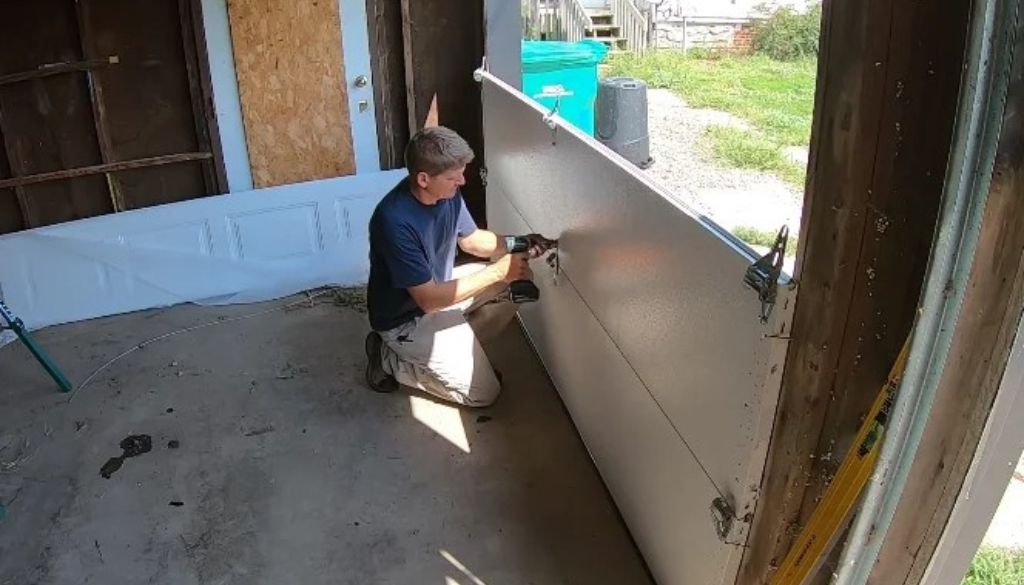
After the storm passes, the garage should be approached with the same caution. Official guidance to wait until it is safe is not formality. Debris, damaged electrical items, shifted door components, and structural issues can all create hazards. If there is any sign the garage opening has been affected, or the door no longer sits correctly in the frame, treat it as a contractor issue rather than a quick homeowner fix.
A sensible after storm check looks like this:
Wait until authorities advise it is safe to go outside and inspect the property. Check the garage area visually for damage before operating the door. Do not use the opener if the door, frame, or tracks appear bent, loose, or obstructed. Arrange qualified help if the door’s integrity or operation is in doubt.That approach may feel cautious, but garages combine moving parts, electrical components, and large structural openings. Caution is appropriate.
The overlooked value of seals, draught control, and fit
Storm articles often focus on dramatic failure points, but everyday details matter too. The bottom seal and perimeter fit of a garage door affect more than comfort. In attached garages, poor sealing contributes to draughts and heat loss, which is why Australian energy guidance points to draught stoppers at the base of doors. If your garage opens into the home, that is a year round issue, not a seasonal one.
From a storm preparation angle, checking the seal also prompts a broader question: does the door close evenly and fully against the opening? A deteriorated bottom edge or poor fit may not tell you anything definitive about wind performance on its own, but it can reveal neglect, wear, or movement in the assembly. Those clues are worth following up before storm season.
This is one area where homeowners often notice the problem but discount it. They say things like, it has always left a little gap, or the seal has been worn for years. Familiarity can make a defect seem harmless. Storm preparation is the right time to challenge that assumption.
Choosing professional help with the right priorities
When a homeowner calls for garage service ahead of storm season, the conversation should go beyond smooth operation. Quiet motors and fresh remotes are nice, but resilience questions come first. Is the door compliant? Is it wind rated for the location? Does it need a bracing system? Is the frame sound? Is the recommendation repair, reinforcement, or garage door replacement?
Those are stronger questions than, can you get it running again.
There is also a basic product safety principle worth remembering. In Australia, products that fall under mandatory safety standards must meet specific safety criteria before sale. That broader safety culture supports a careful approach to garage door components and accessories. It is one more reason to avoid improvised fixes or unknown parts when the door is a key barrier in severe weather.
A good contractor will also be clear about what is beyond routine maintenance. If the issue touches structural integrity, rating, or resilience upgrades, you want advice that reflects the opening as part of the home envelope, not just a moving convenience feature.
What careful preparation looks like in practice
The best storm ready garages I see are not fancy. They are simply thought through. The door is appropriate for the home and its exposure. The opener works properly. The garage door springs and garage door tracks are not being ignored while they gradually deteriorate. The seals fit well enough to limit draughts. Vehicles can be parked inside without delay. Loose items are already secured or easy to secure. The homeowner knows what will happen if a warning is issued, because the sequence has been considered ahead of time.
That is what effective preparation usually looks like, not last minute shopping, not frantic troubleshooting, not trying to decide during a storm whether an aging door can be trusted one more season.
For some households, the answer will be a straightforward service visit and a few corrections. For others, the honest answer will be garage door replacement with a wind rated door and frame, or a verified bracing solution where appropriate. Either way, the garage deserves a place on the storm checklist equal to windows, roofing, and outdoor hazards.
A garage door opener is part of the story, but only part. Storm preparation starts with the larger question of whether the opening itself is ready to do its job when the weather turns. If you can answer yes with confidence before the season starts, you have already done one of the most useful pieces of work a homeowner can do.