When severe weather is on the way, most homeowners think about roofs, windows, loose outdoor furniture, and the car in the driveway. The garage often gets less attention than it deserves, even though it can be one of the most vulnerable parts of the house envelope. That matters because if a garage door fails in high wind, the pressure inside the home can increase and the resulting damage to walls and roofs can become much worse.
That is why storm preparation for a garage should never stop at moving a few tools off the floor or making sure the bins are tucked in. The opener, the door itself, the frame, and the overall condition of the system all play a role. Unplugging garage door openers before severe weather is one of those simple steps that can easily be overlooked, yet it fits squarely within broader storm-readiness advice to unplug electrical items and secure the home before conditions turn dangerous.
The point is not that unplugging alone makes a garage storm-proof. It does not. A weak or non-compliant door is still a weak or non-compliant door. But unplugging is part of a sensible chain of preparation, especially when paired with checking whether the door is wind-rated, whether a bracing system is available and ready to install, and whether there are bigger issues that call for repair or garage door replacement.
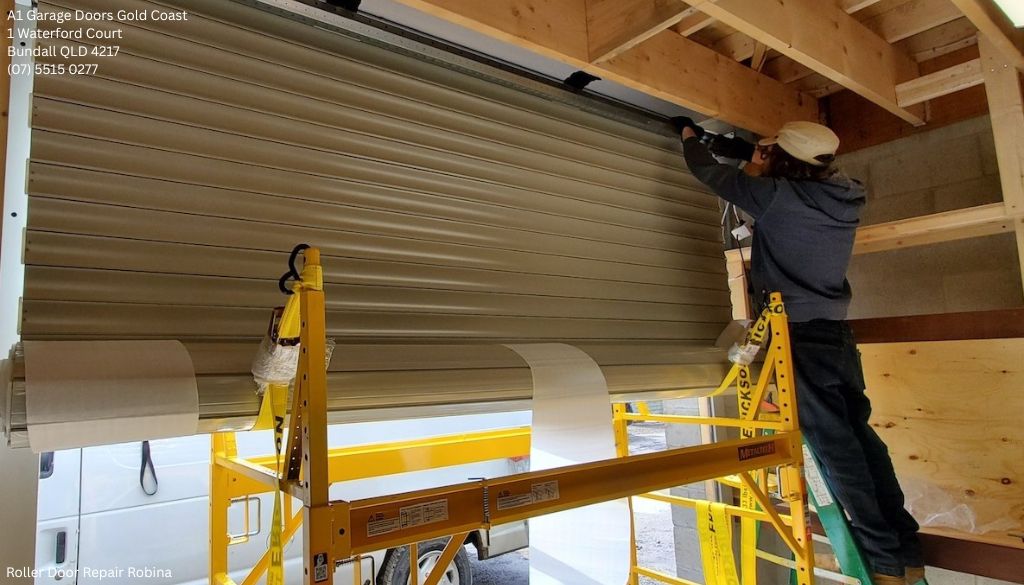
The garage door is not just a convenience feature
People use their garage doors every day, which can make them feel ordinary. In a storm, they stop being ordinary. They become a large opening in the exterior shell of the house, and large openings deserve respect.
Queensland guidance on cyclone preparedness specifically highlights garage doors. A garage door should comply with the relevant standard and be correctly rated for wind pressure, or have a bracing system that can be installed before a cyclone. That is not fussy paperwork. It reflects the basic reality that a garage door has to resist forces far beyond normal daily use.
I have found that many homeowners think of the opener first and the door second, because the opener is the motorized part they interact with. In storm preparation, that order should be reversed. The door, frame, and wind performance come first. The opener matters, but mainly as one part of the larger system.
This is also where a lot of confusion starts. If someone has a powered opener, they may assume the whole setup is robust because it feels solid when it opens and closes. Smooth operation, though, is not proof of wind resistance. A door can glide neatly along its garage door tracks on a calm day and still be a poor performer in severe weather if it is not rated correctly or if the opening has not been properly strengthened.
Why unplugging matters before the weather hits
The logic behind unplugging is straightforward. Storm guidance for households includes unplugging electrical items as part of preparation. Garage door openers are electrical equipment, often installed in a part of the house that homeowners enter and leave in a hurry. In practice, they are easy to forget.
Unplugging the opener before severe weather does a few useful things at once. First, it removes one electrical item from service before unstable weather arrives. Second, it helps shift the homeowner’s mindset from routine convenience to storm mode. That sounds small, but it matters. As long as the opener is sitting there ready to respond to a remote, people tend to treat the garage door as though it should operate normally right up to the worst part of the storm. That is not a good habit.
Official guidance also says people should only go outside after it is officially safe. Once conditions deteriorate, nobody should be stepping into a storm to deal with a jammed door, a blown object near the opening, or any issue with access. Preparing early is the safer choice. Unplugging is part of that early preparation because it encourages the job to be done while the weather is still manageable, rather than during the dangerous window when wind and debris are already a threat.
There is also a practical side. Severe weather preparation usually involves parking vehicles under shelter if possible, securing loose outdoor items, and getting the property settled before conditions worsen. The garage door gets used heavily during that period. Once the vehicle is inside and the area is secured, unplugging the opener can serve as the final signal that the garage setup is done for the event.
What unplugging does not solve
It is just as important to be clear about what unplugging does not do.
Unplugging a garage door opener does not make an under-rated garage door suitable for cyclonic conditions. It does not strengthen panels, improve the frame, or add the kind of bracing some doors need before a cyclone. It does not correct problems with alignment, worn hardware, or age-related weaknesses. If a door is already a poor candidate for storm exposure, unplugging is not a substitute for real resilience work.
This is where homeowners sometimes get tripped up. They hear one good preparedness step and turn it into the whole plan. The better approach is layered. Unplug the opener, yes. But also ask whether the opening itself is storm-ready. Queensland resilience guidance specifically identifies replacing existing garage doors and frames with wind-rated versions as a way to improve household resilience, and notes that non-compliant garage doors can be a cost-effective replacement target in cyclone-prone areas.
That last point is worth sitting with for a moment. People often postpone garage door replacement because the old door still goes up and down. From a storm-resilience standpoint, “still works” is not always the right standard. If the door is not compliant or not suited to the wind pressure expected in the area, replacement may be less about convenience and more about reducing a known weak point in the house.
A garage opener is part of a system, not the system
One of the most useful habits in this trade is to stop looking at components in isolation. The opener is not the garage door. The remote is not the opener. The tracks are not the frame. Every part affects the whole, but not every part does the same job.
Garage door openers provide operation. The door and frame provide the barrier. The rating and any required bracing determine how the assembly is expected to perform under wind load. When severe weather is forecast, unplugging the opener makes sense because it addresses the electrical and operational side of preparation. It does not erase the structural questions.
That distinction can save people from misplaced confidence. A homeowner might say, “The motor is new, so we’re fine.” A new opener may be helpful for day-to-day reliability, but it says nothing on its own about whether the door is appropriate for severe wind. The same goes for recently serviced garage door springs or cleaned garage door tracks. Those things can matter for safe operation and general condition, but they are not proof of storm resilience. If anything, they should prompt a broader inspection mindset. A well-maintained operating system is good. A well-maintained system that is also properly rated and braced is much better.
The moments before a storm are when mistakes happen
Most poor storm decisions are not made out of carelessness. They are made out of haste.
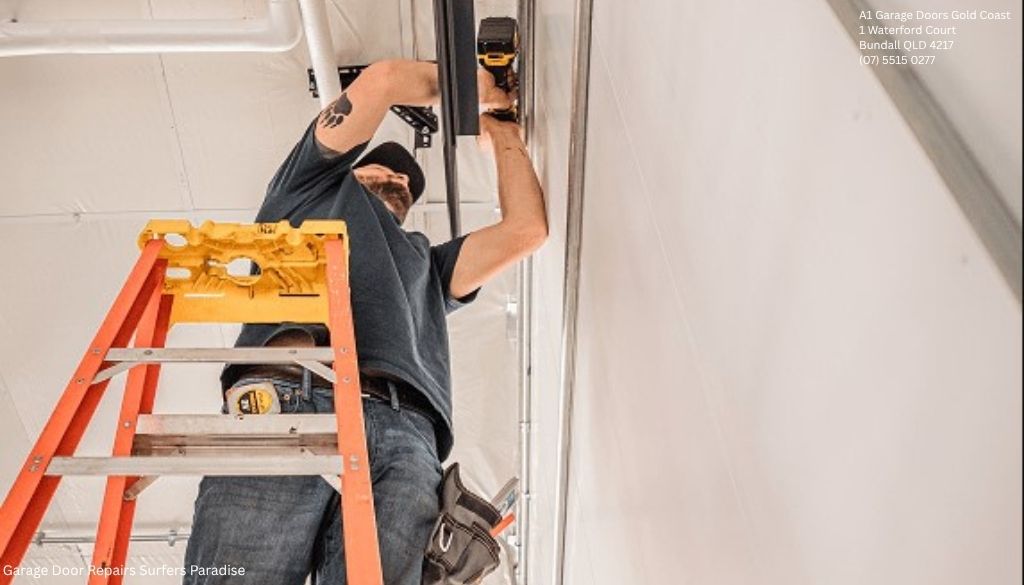
A homeowner gets an alert, remembers the outdoor chairs, pulls the car into the garage, answers a call, checks the garage door resource fence, and suddenly the weather is already turning. At that point, people start improvising. They go outside for one last task. They decide to move something heavy after the wind has picked up. They leave electrical items plugged in because they meant to come back to them.
The garage is often at the center of that rush because it is both storage area and access point. That is another reason unplugging the opener matters. It is a clean, decisive end step. Done early, it reduces the chance that someone keeps cycling the door out of habit after the home should already be secured.
A practical pre-storm garage routine can be kept very short:
Park the vehicle under shelter if possible and finish moving needed items inside. Make sure the garage area is clear of loose items that could shift or become hazardous. Check whether the door has any bracing system that should be installed before severe weather. Close the door and unplug the garage door opener. Stay inside once conditions are unsafe and wait until it is officially safe before going out again.That list is simple by design. Storm preparation works best when the steps are clear enough to follow without debate.
Where many homeowners underestimate risk
The homeowners who worry most about the garage are usually those who have already had a close call. The ones who underestimate it are often the people whose garage door has never given them trouble. That is understandable. Familiar systems create trust.
But severe weather is hard on assumptions. A garage can be one of the largest openings in the building envelope, and guidance in Queensland treats garage-door integrity as a high-priority issue for exactly that reason. If the door fails and wind enters the house, the damage can spread beyond the garage itself. That makes the garage door different from a lot of other household items people unplug or store before a storm. It is not just an object in the house. It is part of the house’s protective shell.
That broader view changes how unplugging should be understood. It is not merely “protecting the opener.” It is part of closing down a major access point properly and shifting focus to the strength of the opening itself.
Bracing, ratings, and the question of replacement
There are times when a homeowner wants a quick answer, but the honest answer is, it depends on what kind of door is installed and whether it is suited to local wind pressures. Queensland cyclone guidance is clear that a garage door should meet the relevant standard and be correctly rated for wind pressure, or have a bracing system that can be installed before a cyclone.
That leaves homeowners with a few practical paths. Some will confirm that their existing setup is already appropriate. Others will find that their protection depends on correctly installing a bracing system before severe weather. Still others may discover that the most sensible move is garage door replacement, especially if the current door and frame are non-compliant or are an obvious weak point in the home.
Replacement can be a difficult conversation because it costs more than routine maintenance. Yet resilience work is not always glamorous. Replacing a vulnerable opening can be far more valuable than cosmetic upgrades elsewhere. Queensland housing guidance specifically recognizes wind-rated garage doors and frames as part of household resilience work, and it identifies non-compliant garage doors as a cost-effective target for improving cyclone resilience. For homeowners in exposed areas, that should be read as a strong signal to take the issue seriously.
What to watch for in the garage before storm season
Not every garage needs major work, but every garage benefits from a clear-eyed review before the season turns rough. The goal is not to diagnose every mechanical detail yourself. The goal is to notice enough to ask the right questions and bring in a qualified contractor when needed.
A few warning signs deserve attention:
- The door’s wind rating or compliance status is unclear. The door or frame appears older and there is no known cyclone bracing plan. The door does not move smoothly, or parts such as garage door tracks look out of line. You have concerns about core components, including garage door springs, but no recent professional assessment. The garage opening feels like a weak spot compared with the rest of the home’s storm preparation.
These points are not a substitute for technical assessment. They are a prompt to act before the forecast becomes urgent. Queensland guidance on preparing for storms and cyclones also emphasizes working safely and using a qualified contractor for securing vulnerable parts of the home. That is especially important when dealing with large doors, heavy components, and any modifications intended to improve storm performance.
The attached garage adds another layer
If the garage is attached to the house, the conversation gets even more practical. An attached garage is not just where the car sits. It is connected space, often with a direct relationship to indoor comfort and household vulnerability.
This is one reason the garage should not be treated as an afterthought in home resilience. If the opening is compromised in severe weather, the consequences do not stay neatly contained in the garage bay. And outside storm season, the condition of the garage door can affect comfort in quieter ways too. Australian energy-efficiency guidance notes that draught stoppers at the base of doors can help reduce heat loss, which makes draught-proofing relevant to garage doors, goldcoastgaragedoorrepair.com.au especially where the garage adjoins lived-in areas.
That point is separate from cyclone readiness, but it reflects the same larger truth. Garage doors are building components, not merely convenience panels. Once homeowners start seeing them that way, better decisions tend to follow, whether the topic is weather resilience, energy performance, or long-term replacement planning.
Why timing matters more than people think
There is a narrow but important difference between “prepared for severe weather” and “scrambling just before it arrives.” The first state is calm and deliberate. The second invites unsafe choices.
Unplugging the opener belongs in the first category. It is easy to do when the sky is still manageable and the household is working through its checklist. It is much less useful as a half-panicked task after conditions have already become unsafe. The same applies to installing any bracing system, securing loose outdoor items, and getting vehicles under cover. Storm preparation is front-loaded by nature. Delay steals options.
This is why many experienced homeowners develop a trigger point. Once a serious weather warning is issued or conditions clearly suggest the property should be locked down, the garage is handled early, not last. The car goes in, the loose items are secured, the door is set, the opener is unplugged, and people stay put.
That sequence sounds almost too simple, but simple is what works under pressure.
The role of qualified help
A final word on judgment. There is a difference between everyday upkeep and storm-hardening work. Everyday upkeep might include noticing that the door is noisier than usual or that the base seal is wearing. Storm-hardening work asks bigger questions, such as whether the garage door complies with the relevant standard, whether the wind rating is appropriate, whether a bracing system exists and can be installed correctly, or whether garage door replacement is the right call.
Those are not questions to bluff your way through. If the garage is a vulnerable point, get qualified advice. The official guidance supports using a qualified contractor for securing vulnerable parts of the home, and that is good advice for garage openings in particular.
A professional assessment can help separate cosmetic concerns from real resilience issues. It can also help homeowners avoid spending money in the wrong place, such as focusing on the opener when the real problem is the door and frame, or replacing accessories when the better investment is a wind-rated assembly.
Unplugging matters because it is a practical, low-effort step that fits established severe-weather preparation. But the deeper value of that step is what it represents: treating the garage as a serious part of the home’s storm defense. Once you do that, better decisions tend to follow, from timing and safety to maintenance, bracing, and, when needed, a well-judged garage door replacement.